Good News: Zoe Freedom Center
Some of the best partnerships start with a radio ad.
It sounds almost too simple to be true — but that’s exactly how the story begins. Back in 2019, a radio spot crossed the airwaves announcing a fundraiser concert. A brand-new Christian recovery ministry was launching its work, and it needed sponsors to help get the doors open. Most people would have changed the station, another ad blending into the background noise of the day. But Joe and Vickey Allen heard something different. They heard an invitation.
That ministry was Zoe Freedom Center, founded by Mark and Dana Brown — a name that would come to mean a great deal to a lot of people in the years ahead, but at the time was still just an idea taking its first real steps into the world. Joe and Vickey didn’t know much about it yet. All they knew was that someone, somewhere, was trying to do something good for people caught in addiction, and that it was worth a phone call to find out more.
So they made the call. And what they found on the other end wasn’t a polished nonprofit with years of infrastructure behind it. It was a small group of people who believed, with everything they had, that lives could be rebuilt — that addiction did not have to be a life sentence, and that freedom was not just a word in a mission statement but something achievable, one person, one day, one decision at a time. Joe and Vickey recognized that passion immediately, because it mirrored their own. They didn’t just write a check and move on. They stayed.
From One Sponsorship to a Standing Friendship
That first sponsorship could easily have been a one-time gesture — the kind of goodwill that shows up for a single event and then quietly fades once the concert lights go dark and the crowd goes home. Instead, it became the opening chapter of something much bigger.
Year after year, The Goodness Foundation kept showing up. Event after event, they stood alongside Zoe Freedom Center — not as a distant donor cutting a check from arm’s length, but as a genuine partner in the work, often the first call if there was an emergency or something needed. Somewhere in that steady rhythm of showing up, something more durable than a business relationship took shape: a friendship. The kind that gets forged not through big dramatic gestures but through consistency — through choosing, again and again, to be present for someone else’s mission because you believe in it as much as they do.
It’s worth pausing on that, because it’s easy to talk about “partnership” in the abstract, as if it’s just a line in an annual report. But partnerships like this one are built the same way trust is built anywhere: slowly, through repetition, through people deciding over and over that they’re going to keep their word and keep showing up. Two organizations. Two sets of people with their own budgets and priorities and busy calendars. And yet, year after year, they kept choosing each other — because underneath the logistics was one shared mission: walking with people out of addiction and into freedom.
From Concert Sponsor to Co-Laborer
A friendship built on showing up eventually asks a bigger question: what else can we do together?
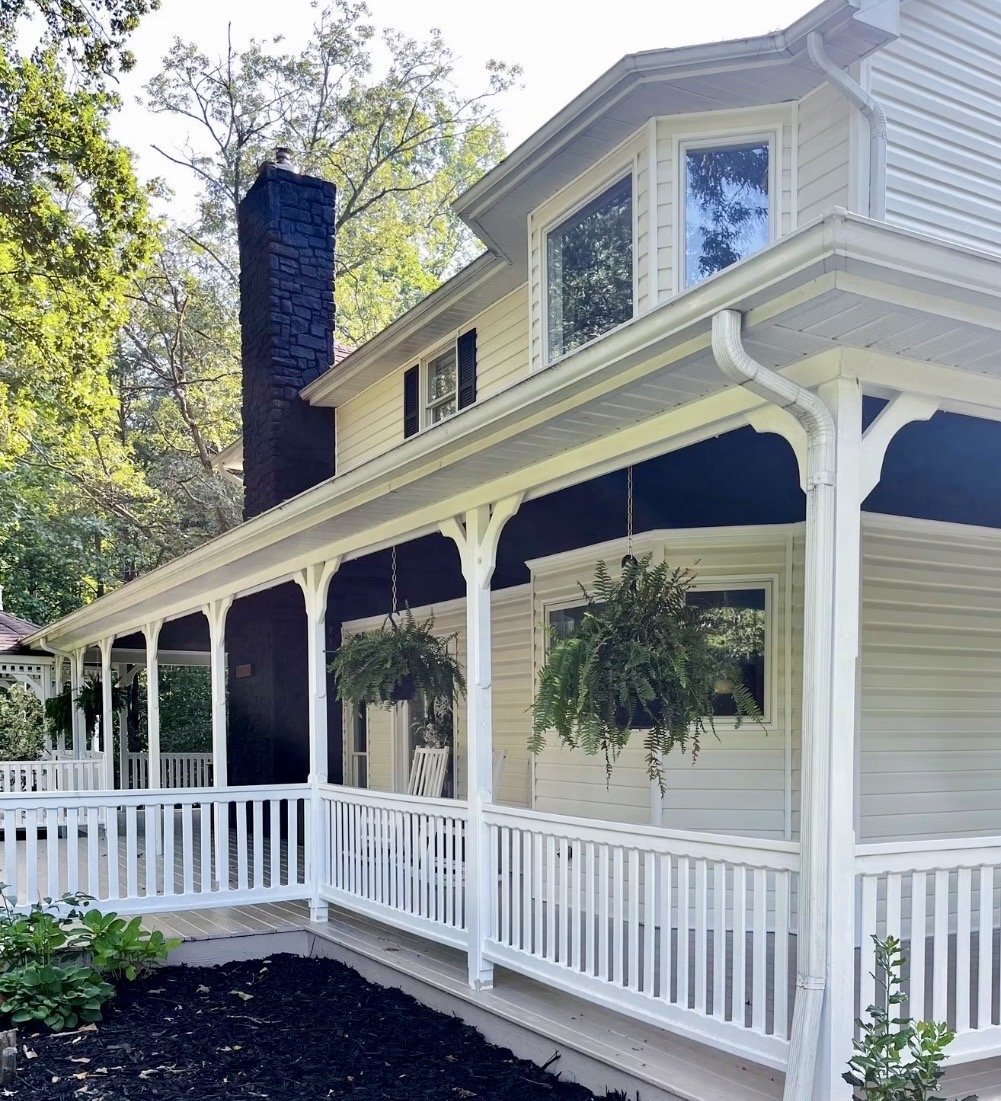
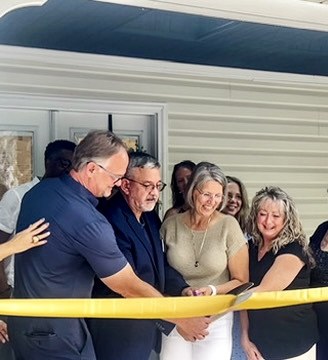
For The Goodness Foundation and Zoe Freedom Center, the answer turned out to be significant. That partnership, tested and proven over years of sponsorships and shared events, bore real fruit — fruit that would go on to change lives in a very tangible, very physical way. The Goodness Foundation stepped in to fund and oversee Zoe’s very first sober living home: The Hideaway.
It’s one thing to sponsor a concert. It’s another thing to help provide a home. A sober living home isn’t just a building with beds in it — it’s a bridge. It’s the space between the moment someone decides they want a different life and the moment they’re actually equipped to live it. Early recovery is fragile. The old triggers are still everywhere. The old habits, the old relationships, the old routines — they don’t disappear just because someone has made a decision to get clean. What people need in that season isn’t just willpower. They need walls. They need a door that locks. They need a bed that’s theirs. They need other people around them who are fighting the same fight and who understand, without having to explain it, what that fight costs.
That’s what The Hideaway became for the women who walked through its doors. Not a program. Not a statistic. A home — safe, stable, theirs — where they could keep building the new lives they had started to imagine for themselves. A place to practice being free, before they had to practice it out in the world alone.
A Verse That Frames the Whole Story
There’s a reason this story keeps circling back to the word freedom — it’s not incidental. It’s the whole point, and it’s rooted in something much older than either ministry.
“It is for freedom that Christ has set us free. Stand firm, then, and do not let yourselves be burdened again by a yoke of slavery.”
— Galatians 5:1
Addiction has a way of putting people back in chains they thought they’d already broken. It convinces people that freedom, once lost, is something you don’t get back — that the old yoke is just who you are now. Zoe Freedom Center exists to say otherwise. And The Goodness Foundation, in choosing to stand alongside that mission, has spent years saying it too: you were made for more than this. Stand firm. Don’t let yourself be pulled back under a burden you were never meant to carry.
That’s not just a nice sentiment to print underneath a headline. It’s the actual operating principle behind a concert sponsorship in 2019, behind showing up event after event, and behind the decision to fund a home where women in recovery could find their footing. The theology and the logistics were never separate things. They were the same thing, expressed in different forms — first as a check, then as a friendship, then as a building with a roof and a lock on the door.
What Started With a Concert
It’s a good reminder, honestly, of how these things actually happen. Nobody sets out to build a legacy. Nobody hears a radio ad for a fundraiser concert and thinks, this is going to lead to a sober living home someday. That’s not how it works. What actually happens is smaller and more ordinary than that: two people hear about something good, and they decide to say yes. Then they keep saying yes. And somewhere along the way — quietly, without anyone announcing it — a legacy starts to take shape.
That’s what happened here. What started with a concert became a legacy of restored and renewed hope. Not because anyone planned it that way from the beginning, but because Joe and Vickey Allen, and everyone at The Goodness Foundation who has stood alongside them since, kept choosing to show up. Kept choosing partnership over passivity. Kept choosing to believe that a ministry with a good radio ad and a big heart in 2019 could become, in time, an organization capable of giving people a real home to recover in.
We’re grateful for partners like Zoe Freedom Center — for their tenacity, their compassion, and their unwavering belief that no one is beyond the reach of restoration. And we’re grateful for every door that’s opened simply because two ministries, years apart from where they started, said yes to showing up for their community. That’s the whole story, really. Not a strategy. Not a plan. Just two ministries, one mission, and a willingness to keep showing up for as long as it takes.